What’s the difference between airplane WiFi and regular cellular signals in terms of safety?
Airplane WiFi and Regular Cellular Signals
Airplane Wi-Fi and regular cellular signals differ significantly in their design, operation, and safety considerations, particularly concerning the antennas used for transmission and reception.
Airplane Wi-Fi:
Airlines equip aircraft with specialized Wi-Fi systems that connect to satellites or ground-based towers, providing internet access during flights. These systems are designed with stringent safety protocols to prevent interference with the aircraft’s communication and navigation systems. The Wi-Fi signals within the plane are secured with encryption, similar to standard ground-based Wi-Fi networks. However, it’s important to note that connecting to public Wi-Fi, whether on the ground or in-flight, carries inherent security risks. Therefore, passengers should exercise caution when accessing sensitive information over these networks.
Regular Cellular Signals:
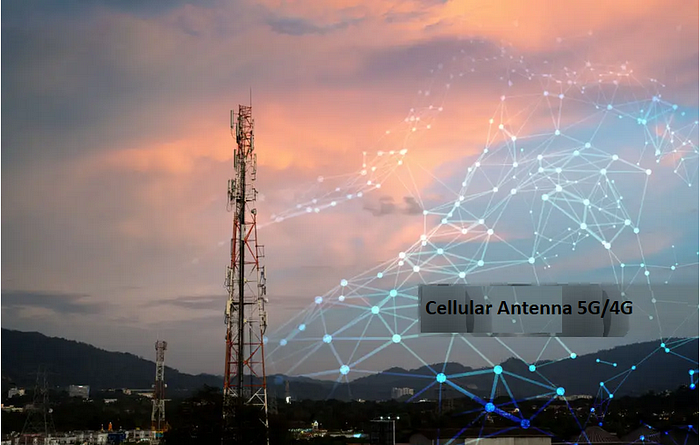
Regular cellular signals are designed for terrestrial communication, connecting mobile devices to nearby cell towers. These signals operate within specific frequency bands allocated for mobile communication. On the ground, mobile devices use antennas optimized for these frequencies, including 4G and 5G bands. For instance, Eteily offers a range of cellular antennas, such as the 5G External Antenna, which enhances connectivity by expanding coverage and improving network quality.
Safety Considerations:
While mobile devices are generally safe, their use in aircraft is subject to regulatory restrictions. In the United States, the Federal Communications Commission (FCC) prohibits the use of cellular phones aboard aircraft in flight to prevent potential interference with ground-based cellular networks. This is because mobile phones attempt to connect to multiple towers while in motion, which can cause network disruptions.
Moreover, using mobile devices without proper regulation can lead to interference with aircraft communication systems. Pilots have reported experiencing disruptions in their headsets when passengers’ phones attempt to connect to radio towers, resulting in distracting noises that can hinder communication with air traffic control.
Eteily’s Antenna Solutions:
Eteily specializes in manufacturing high-performance antennas for both 4G and 5G networks. Their products, such as the 5G 5dBi Rubber Duck Antenna with SMA Male Movable Connector, are designed to enhance signal reception and transmission, ensuring reliable connectivity in various environments. These antennas are particularly beneficial for users seeking improved cellular performance, whether in urban settings or remote areas.
Conclusion:
Understanding the distinctions between airplane Wi-Fi and regular cellular signals is crucial for both safety and connectivity. Airplane Wi-Fi systems are specifically designed to operate safely within the unique environment of an aircraft, adhering to strict regulations to prevent interference. In contrast, regular cellular signals are optimized for terrestrial use, with antennas tailored to specific frequency bands to enhance performance. Companies like Eteily play a vital role in advancing antenna technology, contributing to improved cellular connectivity. It’s essential for passengers to comply with airline regulations regarding device usage to ensure both personal safety and the safety of the flight. Read More


Comments
Post a Comment